Cameroon's Growing Presence in Africa's Luxury Fashion
Cameroon's Quiet Rise in Africa's Luxury Fashion Scene
Douala, 2026 — When people think of African luxury fashion, Lagos, Dakar, and Johannesburg often come to mind first. But a closer look reveals that Cameroon is steadily carving out its own space in the continent's high-end fashion conversation—not with noise, but with craft, heritage, and a growing roster of designers making waves from Paris to Lagos to New York.
A Couturier in Paris, Roots in Cameroon
At the forefront of this movement is Imane Ayissi, the Cameroonian-born couturier who has been showing on the official Paris haute couture calendar since founding his eponymous house in 2004. A former dancer with the Ballet National du Cameroun and one-time model for Dior and Givenchy, Ayissi brings a rare discipline to his work, fusing Parisian couture techniques with African textiles like Kenté, Bogolan, and Faso Dan Fani.

His designs have been worn by Zendaya and Angela Bassett, and in 2025 he was the subject of a museum exhibition at SCAD FASH titled Imane Ayissi: From Africa to the World. Last November, he brought his singular vision to Lagos for GTCO Fashion Weekend, where he stood out as a "high priest of heritage" merging ethical slow fashion with global elegance.

From Hollywood to a Global Sisterhood
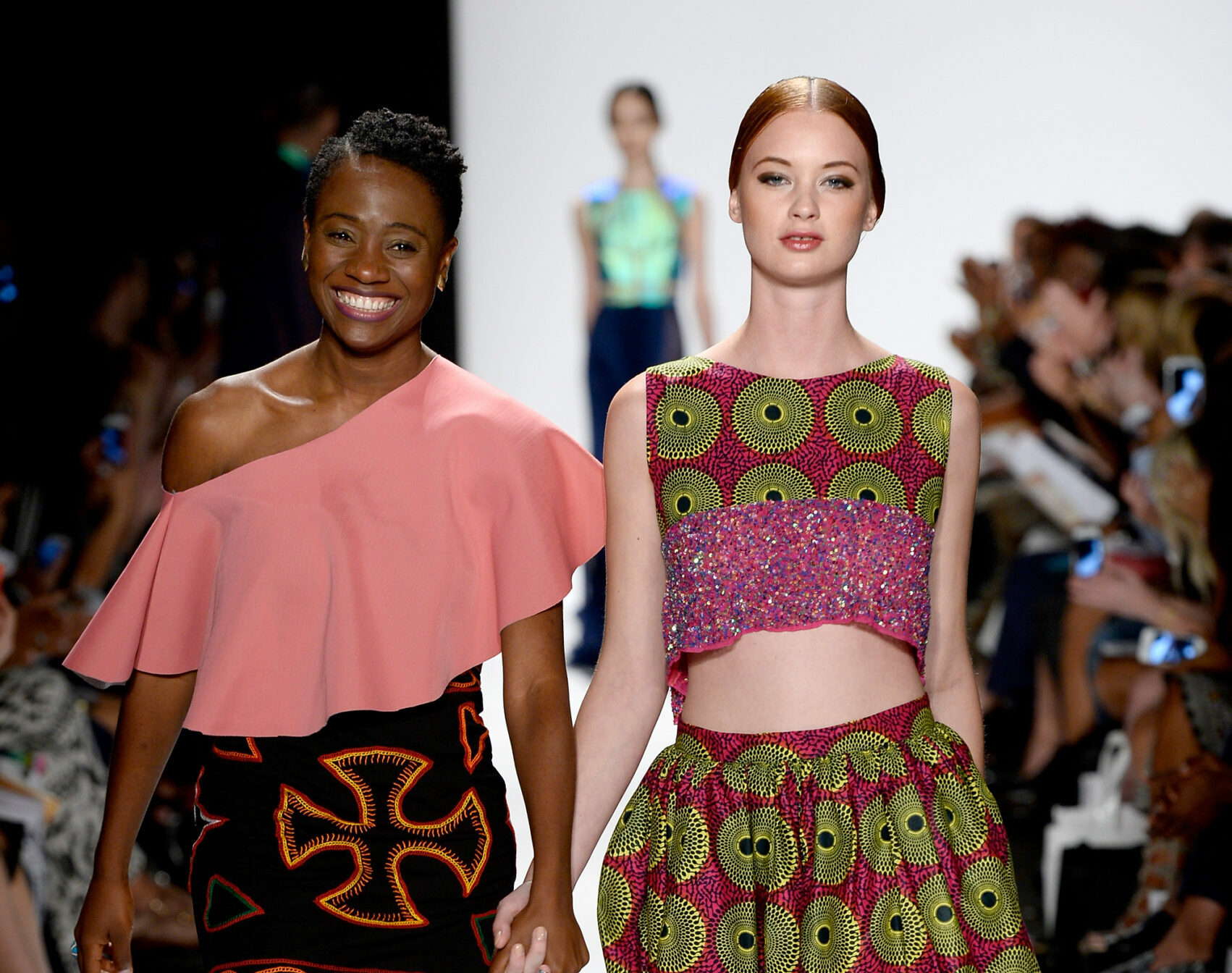
Another Cameroonian designer making international headlines is Kibonen Nfi, founder of KiBONEN. Nfi's work gained major visibility when Lupita Nyong'o wore her designs twice while promoting Queen of Katwe—an exposure that generated over 2,000 direct sales and proved that a culturally-rooted Cameroonian brand could resonate on a global stage. Wizkid and Drake later featured KiBONEN in a music video collaboration, further cementing her place in the diaspora's visual culture.
Nfi is best known for incorporating Cameroon's Toghu embroidery and *Nduop textile into contemporary silhouettes, particularly through her signature MÄFO Dress. The name means "Queen Mother" in Bamileke and Bamenda culture—a title representing wisdom, dignity, and influence. What began as seven friends ordering dresses together has evolved into a movement now heading toward a Guinness World Records attempt: gathering 5,000 women wearing the MÄFO Dress in what would be the largest gathering of women wearing the same culturally significant garment.
Sculptural Footwear and Structured Silhouettes

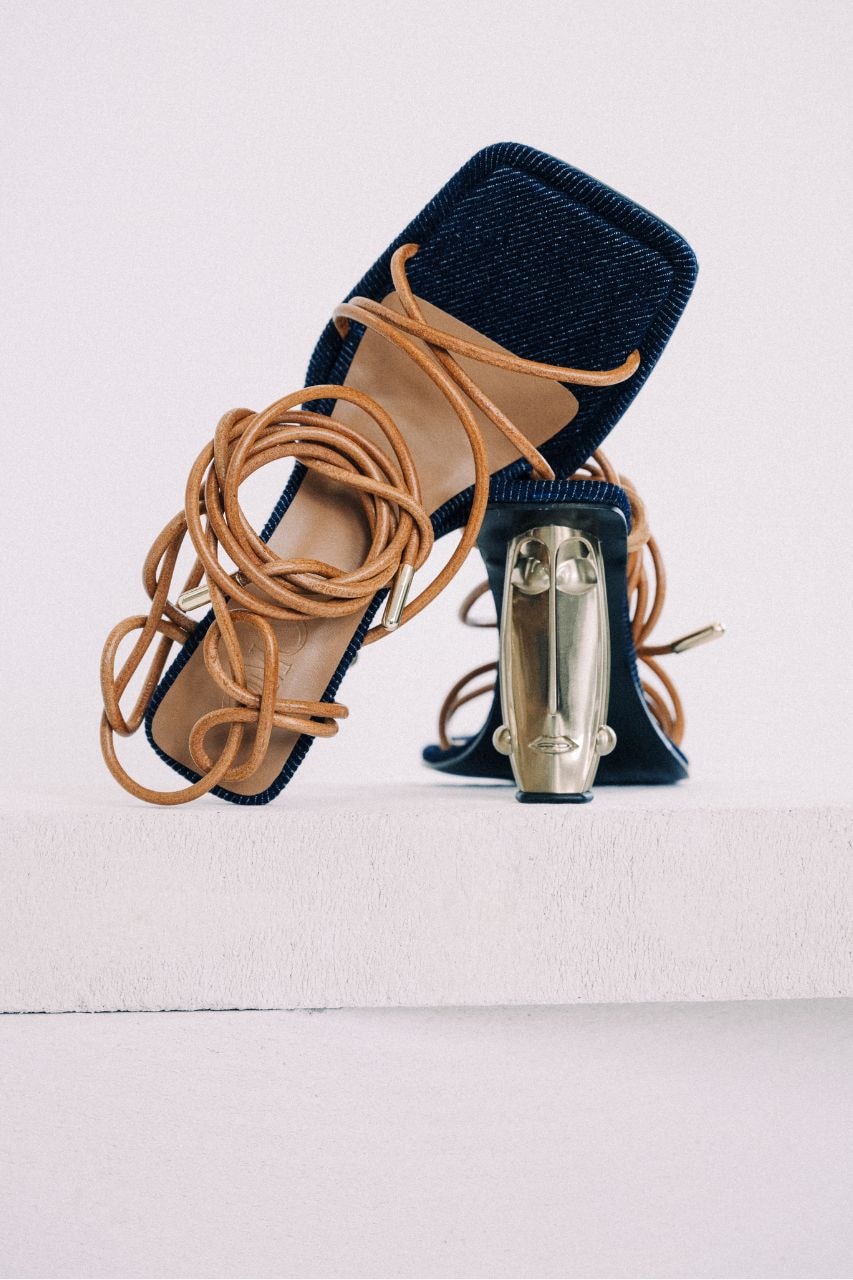
Beyond the runway, Cameroonian creativity is finding expression in footwear. Nathalie Chebou-Moth, founder of Paris-based OMÔL, designs shoes inspired by traditional African sculpture and masquerade forms. Her signature Totem heel transforms each piece into what she calls a "wearable sculpture," blending luxury with sustainability through a pre-order model and collaborations with LVMH deadstock fabrics. OMÔL's name comes from her father's language, meaning "mademoiselle"—a nod to the confident, independent woman the brand designs for.
In the United States, Claude Kameni of LavieByCK has dressed Janet Jackson, Kelly Rowland, and Tracee Ellis Ross, building a reputation for structured, voluminous silhouettes that pair Ankara prints with contemporary Western codes. And in Dakar, KFY Clothing brought Cameroonian precision to Dakar Fashion Week 2025, showing eveningwear in velvet with cowrie embroidery, raffia, and feathers—constructed with what reviewers called "proper corsetry" and "clean inseams".

The Infrastructure Beneath the Glamour
What makes Cameroon's fashion moment particularly significant is that it is being built on more than just individual talent. The country is investing in the systems that support a luxury industry.
In late 2025, a consortium announced Camtext SA, a $300 million cotton-to-textile project designed to process Cameroonian cotton locally and reduce dependence on imports. The project includes an industrial hub in Dibamba and a textile center of excellence in Garoua, collectively expected to create 15,000 jobs. The government's National Development Strategy targets 50% local processing by 2030—a shift that could transform Cameroon from a raw materials exporter into a genuine manufacturing player.
Market analysts also note a growing middle class in Douala and Yaoundé with increasing disposable income and appetite for premium fashion. While challenges remain—including counterfeit goods, limited distribution networks, and competition from international luxury houses—the trajectory is clear: Cameroon is no longer just a source of inspiration. It is becoming a source of product, ownership, and cultural authority.
Why It Matters
For Kibonen Nfi, the stakes go beyond aesthetics. "African designers and communities are still not receiving a fair share of the value created from African aesthetics and cultural knowledge," she told Forbes Africa. "Too often, the inspiration travels globally while the ownership, capital and commercial returns remain elsewhere".
Her solution—and increasingly Cameroon's—is to build brands that are financed and supported as scalable businesses, not merely treated as sources of visual inspiration. From Paris couture salons to New York Fashion Week gatherings, from sculptural heels to hand-bronzed garments, Cameroon's luxury fashion moment is not just about being seen. It is about being owned.